
Temperature is one of the most critical factors affecting automotive paint quality. Even with premium paint, skilled technicians, and advanced spraying equipment, poor temperature control can lead to costly defects, longer drying times, and inconsistent finishes.
Modern automotive spray booths are designed to maintain stable temperatures throughout the painting and curing process, ensuring every vehicle leaves the workshop with a smooth, durable, and high-gloss finish.
In this guide, we’ll explain why temperature control is essential, how it affects paint performance, and how investing in a professional spray booth can improve productivity while reducing operating costs.
Why Is Temperature So Important in Automotive Painting?
Automotive coatings are formulated to cure within a specific temperature range. If the temperature is too low or fluctuates during the painting process, the paint cannot level properly, solvents evaporate too slowly, and curing becomes inconsistent.
A professionally controlled spray booth creates the ideal environment by maintaining:
- Stable air temperature
- Balanced airflow
- Consistent humidity
- Uniform heat distribution
These factors work together to produce a flawless paint finish.
Problems Caused by Poor Temperature Control
Painting in an uncontrolled environment often leads to common defects that require costly rework.
1. Longer Drying Times
Low temperatures slow solvent evaporation, meaning vehicles occupy the spray booth longer and reduce workshop productivity.
Typical consequences include:
- Delayed delivery
- Reduced daily output
- Increased labor costs
2. Orange Peel Finish
When paint cannot level correctly before curing, the surface develops a textured appearance known as orange peel.
Stable booth temperatures help coatings flow evenly before hardening.
3. Poor Gloss
Uneven curing causes inconsistent gloss levels across body panels.
Maintaining the correct baking temperature improves color depth and surface clarity.
4. Solvent Popping
If the booth heats too quickly or unevenly, trapped solvents may burst through the paint surface, creating tiny craters or bubbles.
Controlled heating prevents these defects.
5. Reduced Paint Adhesion
Improper curing can weaken the bond between primer, basecoat, and clearcoat, increasing the risk of peeling or premature failure.
The Ideal Temperature During Automotive Painting
Different stages of the painting process require different temperature settings.
| Process | Recommended Temperature |
|---|---|
| Surface Preparation | 20–25°C |
| Paint Application | 20–25°C |
| Flash-Off Time | 20–25°C |
| Bake Cycle | 60–80°C |
| Cooling Stage | Controlled Airflow |
Maintaining these temperatures helps ensure consistent coating performance.
How a Spray Booth Controls Temperature
Professional spray booths combine several systems to create a stable painting environment.
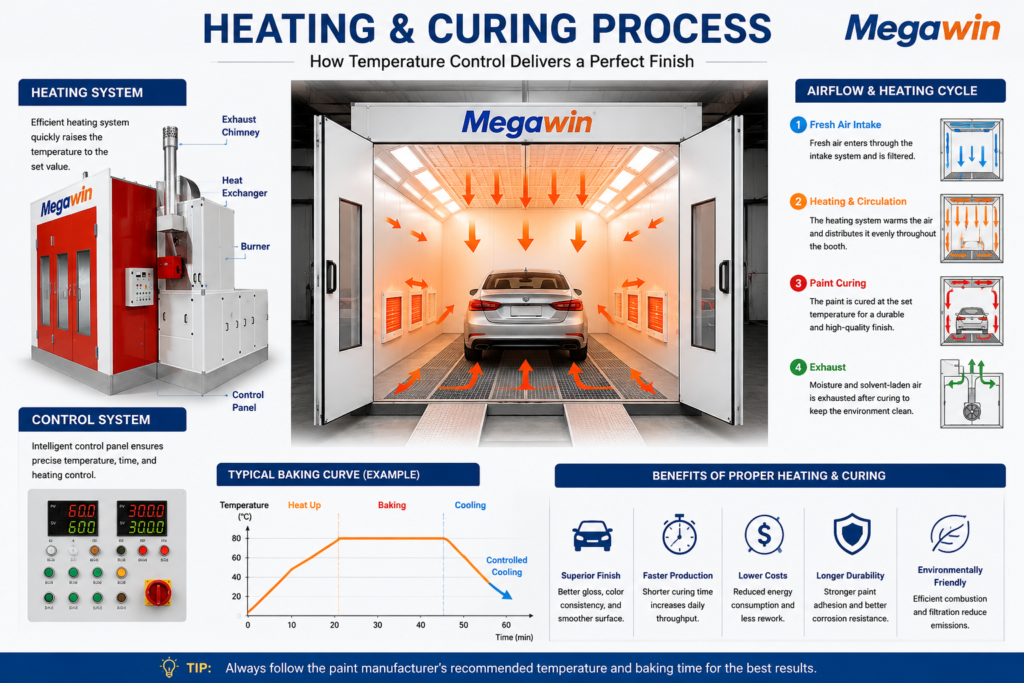
Efficient Heating System
Heat is generated using:
- Diesel burners
- Natural gas burners
- LPG burners
- Electric heating systems
These systems quickly reach the required curing temperature while minimizing energy consumption.
Intelligent Temperature Control
Modern control panels automatically regulate:
- Heating output
- Air circulation
- Bake time
- Cooling cycle
This ensures repeatable results regardless of outside weather conditions.
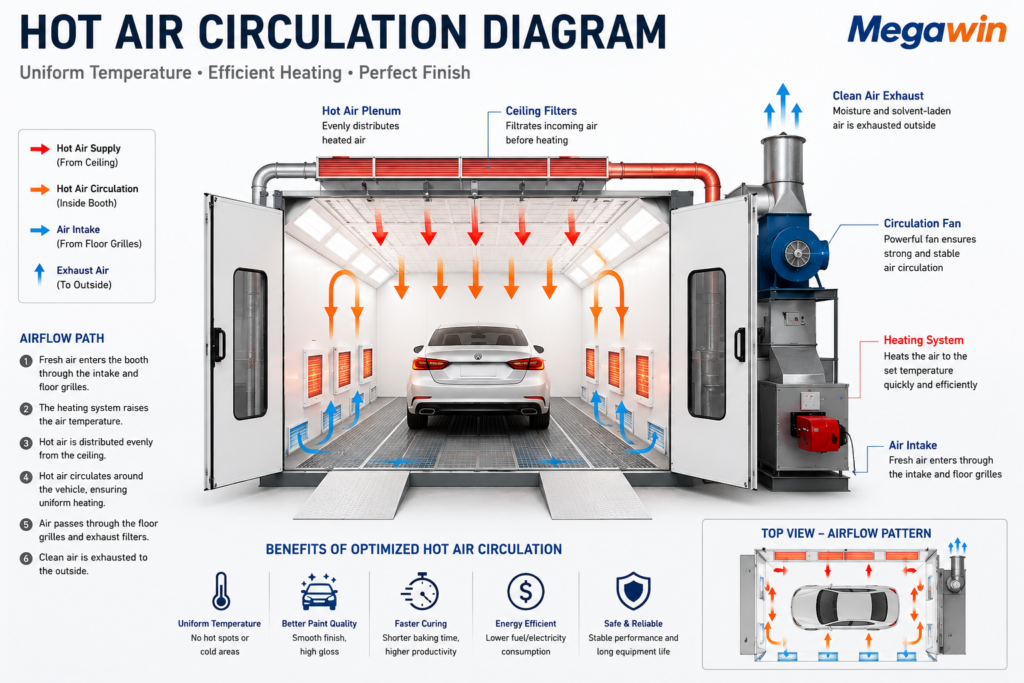
Uniform Air Distribution
Temperature alone is not enough.
Balanced airflow distributes heated air evenly across every section of the vehicle, eliminating hot spots and cold zones.
This helps every painted surface cure at the same rate.
Benefits of Proper Temperature Control
Investing in a high-quality spray booth delivers measurable advantages.
Superior Paint Finish
Stable temperatures allow paint to level naturally, producing:
- Higher gloss
- Better color consistency
- Smooth surface finish
Faster Production
Efficient bake cycles reduce curing time, allowing more vehicles to be completed each day.
Higher throughput directly increases workshop profitability.
Lower Operating Costs
Energy-efficient heating systems consume less fuel while reducing unnecessary booth operating time.
Savings include:
- Lower electricity bills
- Reduced fuel consumption
- Less repainting
- Improved labor efficiency
Longer Equipment Life
Stable operating conditions reduce stress on heating components, burners, fans, and filters, extending equipment lifespan.
Better Customer Satisfaction
Consistent paint quality leads to fewer warranty claims and stronger customer confidence.
Professional finishes also enhance your workshop’s reputation.
Choosing the Right Spray Booth Heating System
When selecting a spray booth, consider:
Heating Efficiency
Look for systems with fast heat-up times and high thermal efficiency.
Temperature Accuracy
Advanced digital controllers maintain precise temperatures throughout the painting cycle.
Airflow Design
Downdraft and Semi-Downdraft booths provide more uniform airflow than traditional Crossdraft designs.
Energy Saving Features
Modern insulation, efficient burners, and intelligent controls help reduce long-term operating costs.
Why Megawin Spray Booths Deliver Better Temperature Performance
Megawin spray booths are engineered to maintain consistent temperature and airflow under demanding production conditions.
Key features include:
- High-efficiency heating systems
- Intelligent temperature control
- Optimized airflow engineering
- Premium insulated wall panels
- Fast heating and curing cycles
- Low energy consumption
- Uniform heat distribution
- Reliable performance for continuous operation
Whether you’re operating a small body shop or a large commercial refinishing center, Megawin spray booths help improve quality while maximizing productivity.
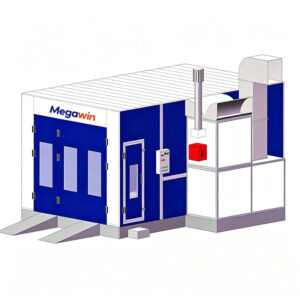
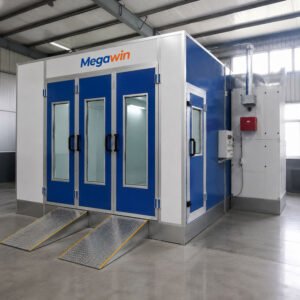
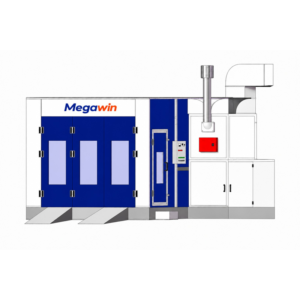
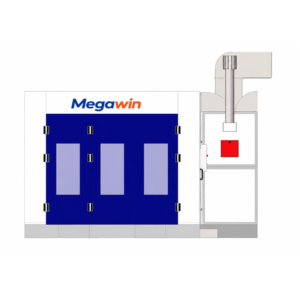
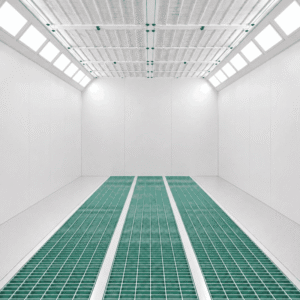
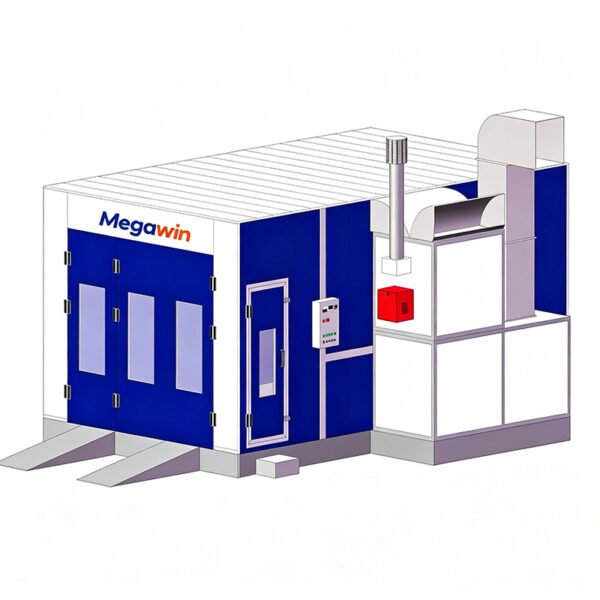
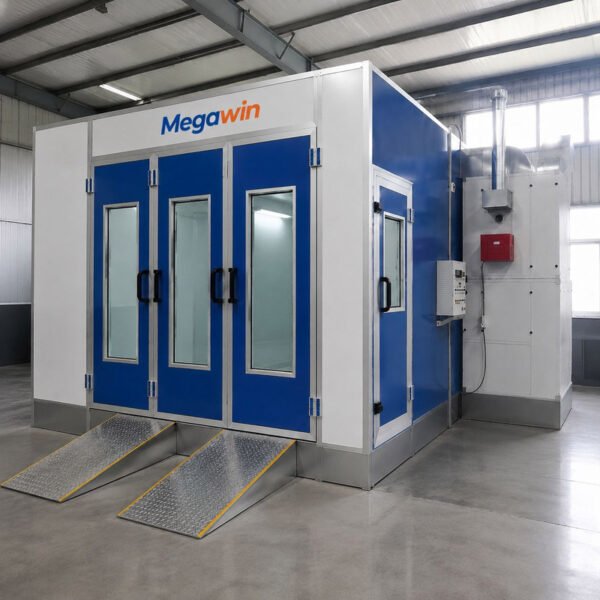
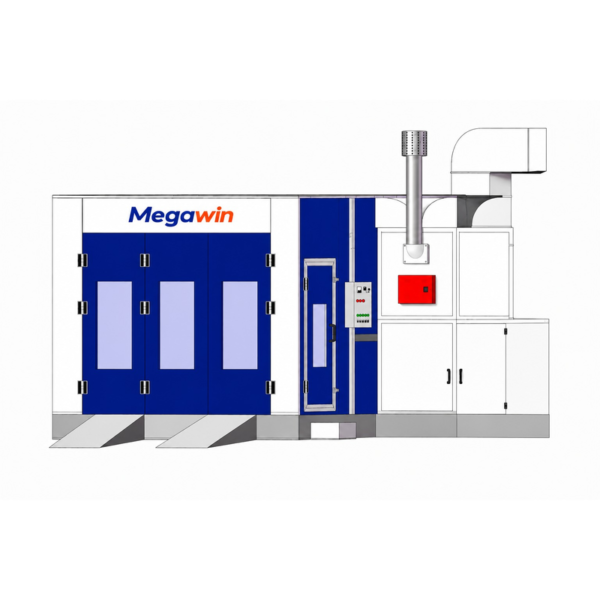
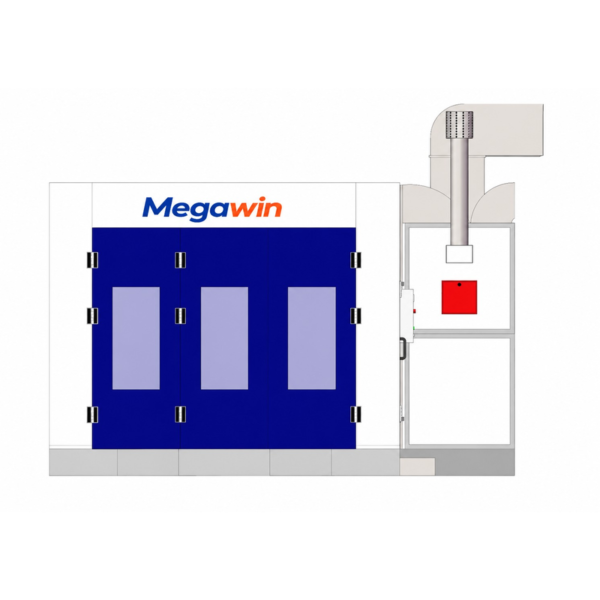
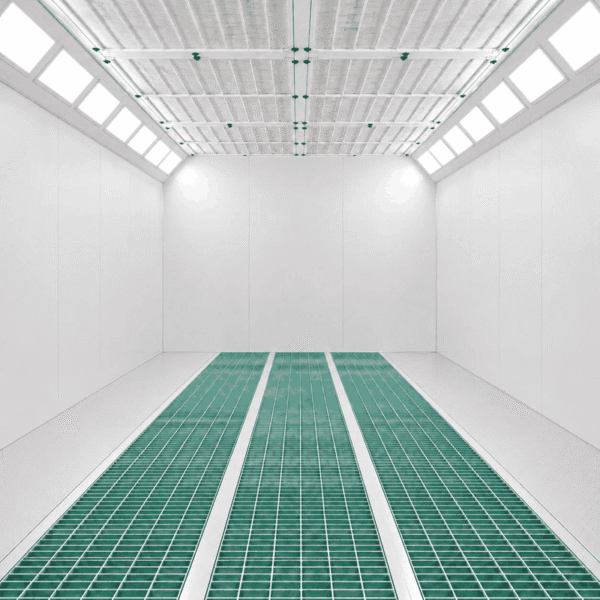
MGW-D70 Diesel-Heat Car Spray Booth
MGW-D70 diesel-heat spray booth is used for standard car spraying and baking,by side exhaust
Frequently Asked Questions
What is the best temperature for spraying automotive paint?
Most automotive coatings are applied at 20–25°C, while the curing process typically takes place between 60–80°C, depending on the paint manufacturer’s recommendations.
Why is baking important after painting?
Baking accelerates the curing process, improves paint hardness, increases gloss, and shortens vehicle delivery times.
Can temperature affect paint color?
Yes. Inconsistent curing temperatures may alter gloss, metallic orientation, and overall color appearance.
Does a heated spray booth save money?
Absolutely. Faster curing, fewer paint defects, and lower rework rates significantly reduce operating costs over time.
Conclusion
Temperature control is far more than a comfort feature—it’s a critical factor in achieving professional automotive paint results. From paint application to final curing, maintaining the correct temperature improves finish quality, accelerates production, reduces defects, and lowers operating expenses.
For workshops seeking reliable, repeatable results, investing in a professionally engineered spray booth with precise temperature control is one of the smartest long-term decisions.
Megawin spray booths combine advanced heating technology, balanced airflow, and intelligent controls to help businesses achieve exceptional paint quality while maximizing efficiency.