Don’t Let These Common Mistakes Cost Your Business Time and Money
Investing in a spray booth is a major decision for any automotive repair shop, collision center, or industrial painting facility. A high-quality spray booth can improve paint finishes, increase productivity, reduce operating costs, and help your business comply with environmental regulations.
However, many buyers focus only on the purchase price and overlook critical factors that affect long-term performance. Choosing the wrong spray booth can lead to costly modifications, inefficient workflows, higher energy bills, and dissatisfied customers.
In this guide, we’ll walk through the 10 most common mistakes to avoid when buying a spray booth, helping you make a smarter investment for your business.
1. Choosing Price Over Quality
One of the biggest mistakes buyers make is selecting the cheapest spray booth available.
While a low upfront cost may seem attractive, inexpensive spray booths often use lower-quality materials, weaker insulation, less efficient fans, and inferior filtration systems. These compromises can result in higher maintenance costs, shorter equipment life, and poor paint quality.
Instead, consider the total cost of ownership rather than just the initial purchase price.
2. Buying the Wrong Booth Size
A spray booth that is too small can limit the types of vehicles you can service, while an oversized booth wastes valuable workshop space and increases operating costs.
Before purchasing, consider:
- Types of vehicles you paint
- Workshop dimensions
- Future business expansion
- Space for vehicle movement and maintenance
Choosing the correct size ensures maximum productivity and flexibility.
3. Ignoring Airflow Design
Not all spray booths are built the same.
The airflow system directly affects paint quality, overspray removal, and drying performance.
Common airflow designs include:
- Downdraft Spray Booth
- Semi Downdraft Spray Booth
- Crossdraft Spray Booth
Each design serves different production requirements and budgets. Selecting the wrong airflow configuration can negatively impact your painting results.
4. Overlooking Heating System Options
Heating plays a crucial role in paint curing efficiency.
Modern spray booths typically offer several heating options:
- Diesel heating
- Gas heating
- Electric heating
Each solution has different operating costs, maintenance requirements, and energy efficiency.
Choosing the right heating system depends on your local energy prices, environmental regulations, and production volume.
5. Ignoring Energy Efficiency
A spray booth operates for many hours every day.
Even small improvements in energy efficiency can save thousands of dollars over the equipment’s lifetime.
Look for features such as:
- High-efficiency circulation fans
- Well-insulated wall panels
- Variable frequency drives (VFD)
- LED lighting
- Efficient heat exchangers
Lower energy consumption means lower operating costs and a faster return on investment.
6. Forgetting About Local Regulations
Different countries and regions have different environmental and safety requirements.
Before purchasing, ensure your spray booth complies with local standards regarding:
- VOC emissions
- Fire safety
- Electrical systems
- Air filtration
- Workplace ventilation
Working with an experienced manufacturer can help avoid costly compliance issues.
7. Choosing an Inexperienced Manufacturer
Not all spray booth suppliers have the same level of engineering and manufacturing expertise.
An experienced manufacturer can provide:
- Professional design advice
- Customized solutions
- Reliable product quality
- Technical support
- Installation guidance
- Spare parts availability
When evaluating suppliers, ask about their export experience, certifications, and completed projects.
8. Ignoring Maintenance Requirements
Every spray booth requires routine maintenance.
Some designs are easier to maintain than others.
Before purchasing, ask:
- How often should filters be replaced?
- Are replacement parts readily available?
- Is the control system easy to operate?
- How easy is routine cleaning?
Easy maintenance reduces downtime and extends equipment life.
9. Not Planning for Future Growth
Many businesses purchase equipment based only on current demand.
However, if your workshop grows over the next few years, an undersized or outdated spray booth may become a bottleneck.
Consider future expansion by choosing equipment that offers:
- Higher production capacity
- Flexible configurations
- Upgrade options
- Larger working dimensions
Planning ahead saves money in the long run.
10. Buying Without Professional Consultation
Every workshop has unique requirements.
Factors such as:
- Workshop layout
- Vehicle types
- Daily production volume
- Local climate
- Power supply
- Heating preferences
all influence the ideal spray booth configuration.
Consulting with a professional manufacturer before purchasing helps ensure you receive a solution tailored to your business rather than a generic product.
What Should You Look for in a High-Quality Spray Booth?
A reliable spray booth should offer:
✔ Durable galvanized steel construction
✔ High-efficiency airflow system
✔ Premium insulation panels
✔ Bright LED lighting
✔ Advanced filtration system
✔ Energy-efficient heating options
✔ Easy maintenance
✔ Safety-compliant electrical controls
✔ Custom sizing options
✔ Comprehensive technical support
These features contribute to better paint quality, lower operating costs, and a longer equipment lifespan.
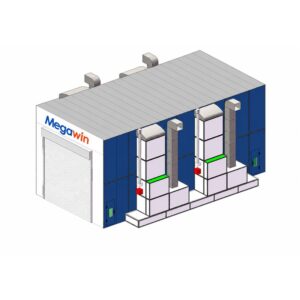
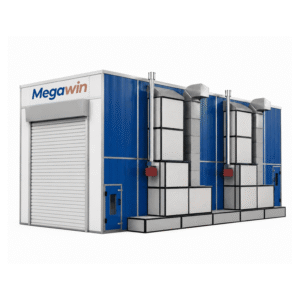
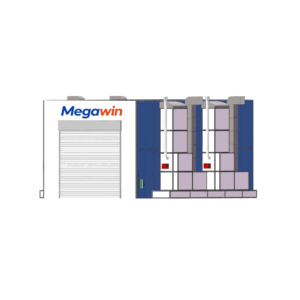
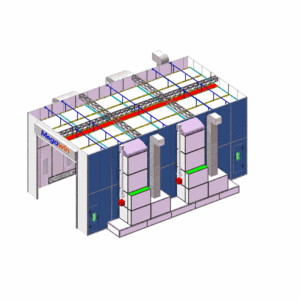
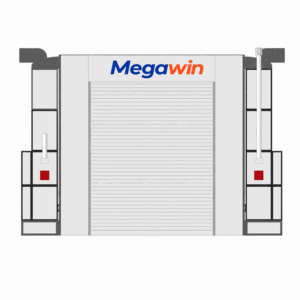
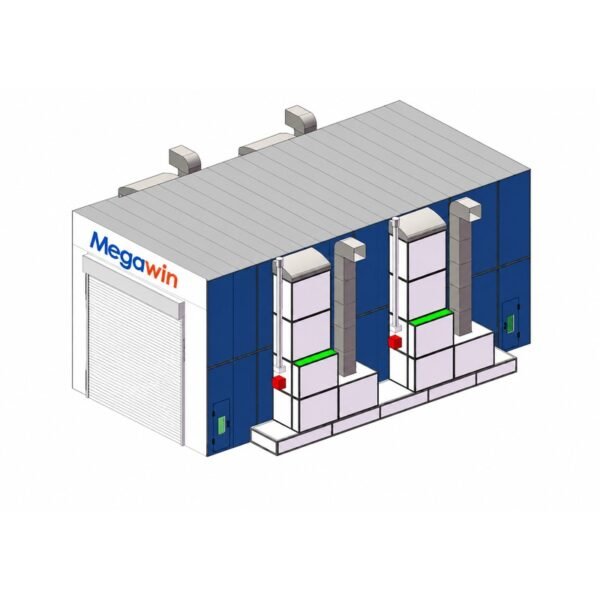
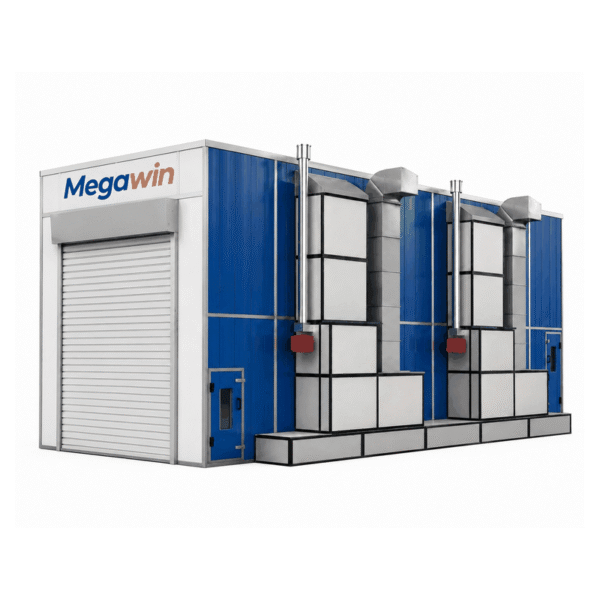
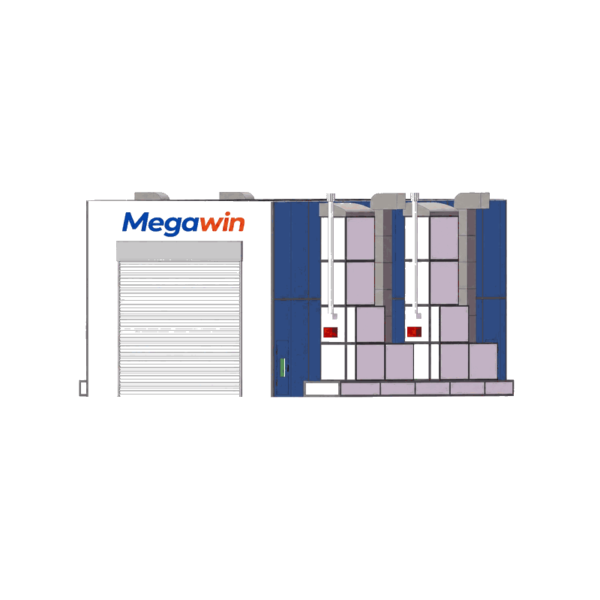
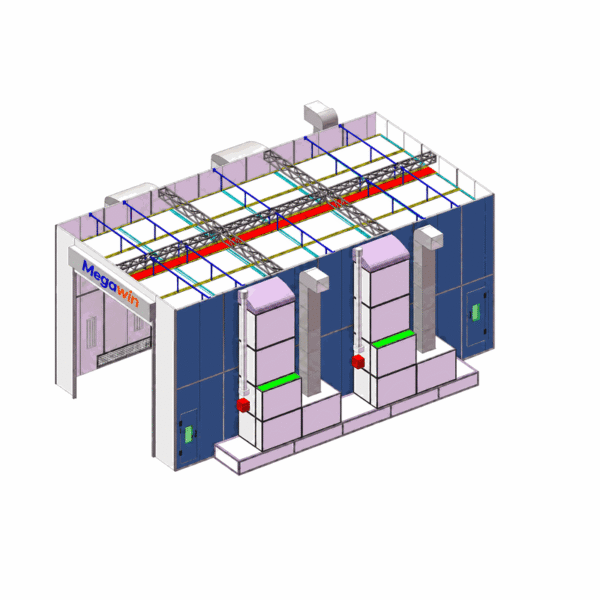
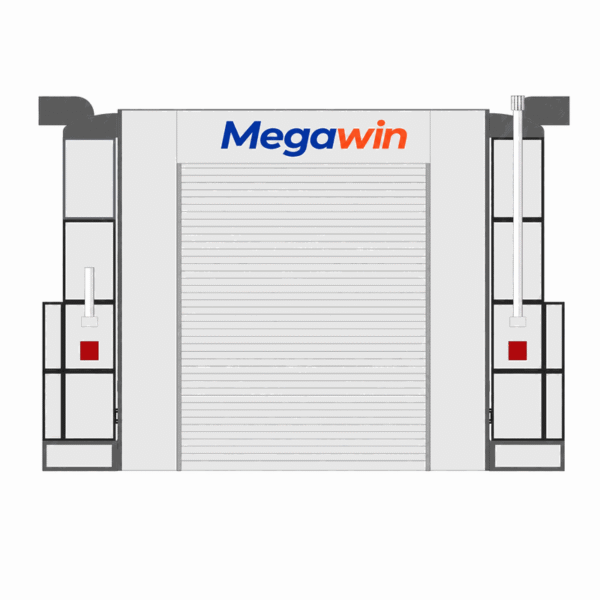
MGW-BS16 Diesel-Heat Bus Spray Booth
MGW-BS16 diesel-heat bus spray booth is used for large-sized trucks, the large bus of 12m long etc
Why More Body Shops Choose Megawin
At Megawin, we understand that every workshop has different production goals and budgets.
We manufacture customized spray booth solutions designed for professional automotive repair businesses worldwide.
Our advantages include:
- Custom booth sizes and configurations
- Downdraft, Semi Downdraft, and Crossdraft models
- Electric, diesel, and gas heating systems
- High-efficiency airflow engineering
- CE-compliant manufacturing
- OEM & ODM services
- Worldwide shipping
- Installation guidance and after-sales technical support
Whether you’re upgrading an existing body shop or building a new facility, our experienced team can help you choose the right spray booth for long-term success.
Final Thoughts
Buying a spray booth is a long-term investment that affects your productivity, paint quality, operating costs, and customer satisfaction.
By avoiding these common mistakes, you can make a smarter purchasing decision and choose equipment that supports your business for many years.
Remember, the lowest purchase price is not always the best value. A well-designed spray booth from a trusted manufacturer can deliver higher efficiency, lower maintenance costs, and a faster return on investment.
If you’re planning to purchase a new spray booth, take the time to evaluate your requirements carefully—and don’t hesitate to seek professional advice before making your final decision.
Frequently Asked Questions (FAQ)
What is the best type of spray booth for an auto body shop?
For high-quality automotive refinishing, a Downdraft Spray Booth is generally considered the best option because it provides superior airflow, excellent overspray removal, and a cleaner painting environment.
How long does a spray booth typically last?
A well-maintained spray booth made with high-quality materials can typically last 15–20 years or more, depending on usage, maintenance, and operating conditions.
Should I choose electric, diesel, or gas heating?
The ideal heating system depends on your local energy costs, available utilities, environmental regulations, and production needs. Electric heating is clean and low-maintenance, while diesel and gas systems are often preferred for high-volume operations.
How often should spray booth filters be replaced?
Filter replacement intervals vary based on usage, but intake and exhaust filters should be inspected regularly and replaced according to the manufacturer’s recommendations to maintain proper airflow and paint quality.