A spray booth filtration system plays a vital role in maintaining a clean painting environment, controlling paint overspray, and supporting consistent coating quality. However, even a well-designed spray booth cannot perform effectively if its filters are poorly maintained or replaced at the wrong time.
For automotive refinishing workshops, industrial coating facilities, and spray booth distributors, understanding filter maintenance is essential for reducing downtime, controlling operating costs, and protecting equipment performance.
In this guide, MEGAWIN explains the main types of spray booth filters, the warning signs of filter deterioration, and practical maintenance strategies for long-term operation.

1. Understanding the Main Types of Spray Booth Filters
Different filters perform different functions within a spray booth. Identifying each filter correctly is the first step toward establishing an effective maintenance plan.
Intake Ceiling Filters
Intake filters are installed in the air supply system to capture airborne dust and particles before they enter the spray booth.
Clean intake filters help maintain the cleanliness of the incoming air and support the intended airflow distribution. When filters become excessively loaded with dust, airflow resistance may increase, potentially affecting ventilation performance.
The appropriate filter grade depends on the booth design, required finish quality, and ventilation specifications.
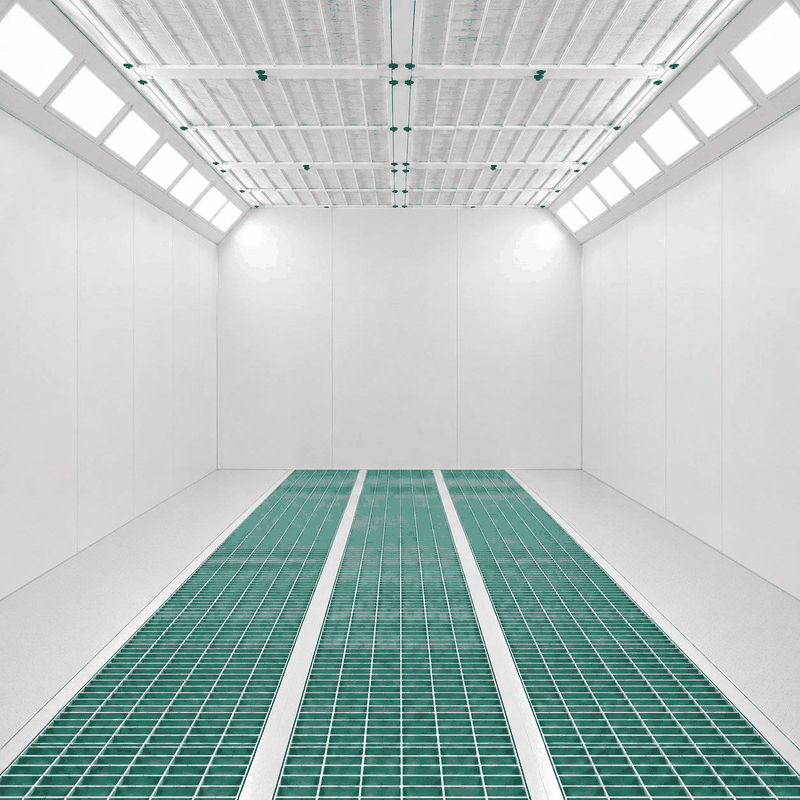
Floor or Exhaust Paint Arrestor Filters
Exhaust filters capture paint overspray carried by the outgoing airflow during spraying operations.
Depending on the booth configuration, these filters may be installed in floor grilles, exhaust walls, or dedicated filter housings.
As overspray accumulates, the filter’s resistance may increase and its ability to operate effectively may decline. Regular inspection helps prevent excessive loading and supports stable exhaust performance.
Prefilters and Additional Filtration Stages
Some spray booths use multiple filtration stages to protect downstream equipment or achieve specific air-cleanliness requirements.
The maintenance requirements of each stage depend on its purpose, filter construction, and operating conditions. Always identify the correct filter type before ordering replacements.
2. When Should Spray Booth Filters Be Replaced?
There is no universal replacement interval for every spray booth filter. Actual service life depends on operating hours, environmental dust levels, paint consumption, coating materials, filter specifications, and ventilation design.
Instead of relying exclusively on a fixed calendar schedule, operators should combine routine inspections with operating data.
Look for the following warning signs:
1. Increased filter pressure drop
A rising differential pressure across a filter can indicate that dust or paint residue is accumulating. Compare readings with the filter manufacturer’s recommended limits.
2. Reduced airflow
Unexpected changes in airflow may indicate filter blockage, fan problems, duct restrictions, or other ventilation issues. Filters should be inspected as part of a broader system check.
3. Visible contamination or damage
Torn media, gaps around filter frames, uneven loading, or accumulated paint residue may indicate that a filter needs replacement or corrective attention.
4. Deteriorating process conditions
An increase in dust defects or changes in overspray removal may justify checking the filtration system. However, coating defects can have several causes, including surface preparation, compressed-air contamination, paint application, and booth cleanliness.
5. Manufacturer-defined service limits
If the filter reaches its specified pressure-drop limit or service-life limit, follow the manufacturer’s replacement instructions.
Replacing filters at the appropriate time helps avoid unnecessary maintenance while reducing the risk of operating with excessively loaded or damaged media.
3. What Happens When Filters Are Not Replaced on Time?
Delayed filter replacement can affect more than paint quality.
Higher Ventilation Resistance
Loaded filters create additional resistance to airflow. Depending on the fan and system design, this may reduce delivered airflow or increase the energy required to maintain operating conditions.
Reduced Process Consistency
Insufficient or uneven airflow can affect overspray movement and the cleanliness of the working environment. This may contribute to inconsistent results or additional inspection and rework.
Increased Maintenance Risks
Excessive paint accumulation can make filter replacement more difficult and increase contamination around filter housings and exhaust components.
Filters must be selected, inspected, and replaced in accordance with the booth design, coating-material requirements, and applicable fire and workplace safety regulations.
Unnecessary Operating Expenses
Running a spray booth with poorly maintained filters can increase downtime, energy consumption, and the risk of avoidable production problems.
The goal is not to replace every filter as frequently as possible. It is to replace each filter at the appropriate point based on its condition and manufacturer specifications.
4. Five Practical Ways to Reduce Spray Booth Filter Costs
Filter costs are part of the normal operating expenses of a spray booth. However, better maintenance practices can help control unnecessary spending.
Tip 1: Establish a Filter Inspection Schedule
Record inspection dates, operating hours, pressure-drop readings where available, and replacement history.
A simple maintenance log helps operators identify recurring problems and estimate future filter requirements.
Tip 2: Use the Correct Filter Specifications
A filter should match the intended application, airflow volume, installation dimensions, and filtration requirements.
Choosing a filter based on price alone may lead to poor fit, excessive resistance, premature replacement, or unsuitable filtration performance.
Before purchasing replacement filters, confirm the dimensions, material, filtration grade, and compatibility with the original equipment.
Tip 3: Avoid Unnecessary Filter Changes
Replacing filters too early can increase consumable costs without delivering meaningful benefits.
Use visual inspections, pressure-drop monitoring where available, and the manufacturer’s recommendations to establish a suitable replacement strategy.
Do not continue using damaged or exhausted filters simply to extend their service life.
Tip 4: Keep the Spray Booth and Surrounding Area Clean
Good housekeeping reduces the amount of dust entering the booth and helps prevent unnecessary contamination.
Clean the work area regularly, maintain door seals, and inspect intake openings. Also check whether dust is entering through building openings or other uncontrolled air paths.
Never clean or reuse disposable filter media unless the manufacturer explicitly permits it.
Tip 5: Purchase Replacement Filters from a Reliable Supplier
For workshops and distributors, consistent replacement-filter availability is important for minimizing downtime.
A reliable supplier should be able to confirm filter dimensions, specifications, suitable applications, and compatibility with the intended spray booth.
For equipment distributors, maintaining an appropriate stock of commonly used consumables can also improve customer service and create recurring business opportunities.
5. How Does Filter Maintenance Affect Spray Booth Performance?
Filters are only one part of the complete ventilation system. Their performance must be considered alongside fan selection, ductwork, air distribution, and booth configuration.
For example, replacing a loaded intake filter may help restore airflow, but it will not resolve an incorrectly sized fan or a blocked duct.
Similarly, a new exhaust filter cannot compensate for poor booth housekeeping or unsuitable spraying practices.
When airflow problems occur, technicians should inspect the complete system rather than assuming that filter replacement alone will solve the issue.
A well-maintained filtration system supports stable operation, but overall booth performance depends on the design and condition of all major components.
6. Why Filter Maintenance Matters When Choosing a Spray Booth Manufacturer
When comparing spray booth manufacturers, buyers should consider not only the initial equipment price but also the long-term availability and cost of consumables.
Important questions include:
- Are the intake and exhaust filter specifications clearly documented?
- Are replacement filters available for future maintenance?
- Can the manufacturer provide the correct dimensions and technical information?
- Are filter inspection and replacement procedures explained in the documentation?
- Can the ventilation system be maintained without unnecessary downtime?
For distributors and international equipment suppliers, these factors can influence customer satisfaction and the long-term value of the products they supply.
MEGAWIN: Spray Booth Solutions and Technical Support
MEGAWIN manufactures automotive and industrial spray booths for international distributors, workshop equipment suppliers, and project contractors.
We understand that equipment value depends on more than the initial purchase price. Proper system configuration, suitable filtration, accessible maintenance points, and reliable technical support all contribute to long-term operating performance.
Our team can assist customers in evaluating spray booth configurations, filtration requirements, customized dimensions, and project-specific installation conditions.
Whether you are planning a new automotive paint shop, expanding your equipment distribution business, or sourcing spray booths for an industrial coating project, we welcome the opportunity to discuss your requirements.
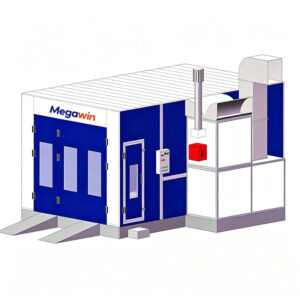
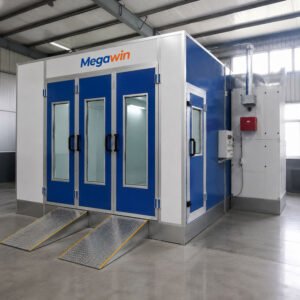
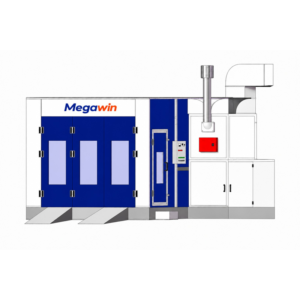
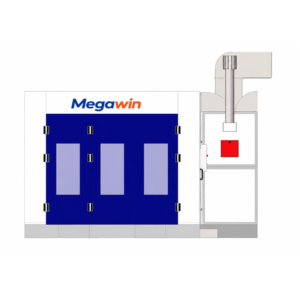
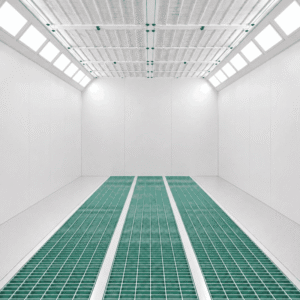
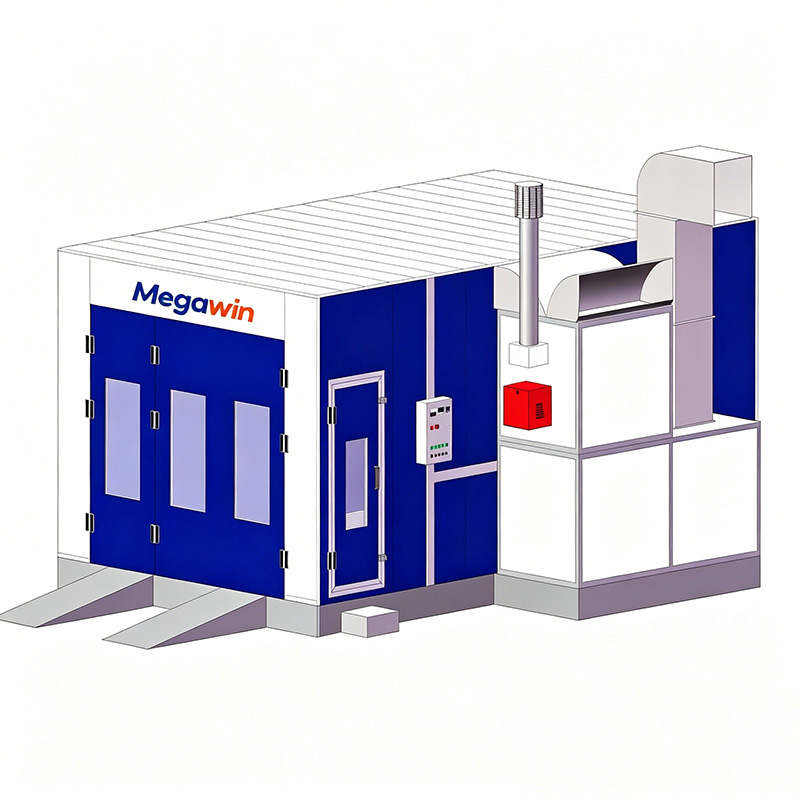
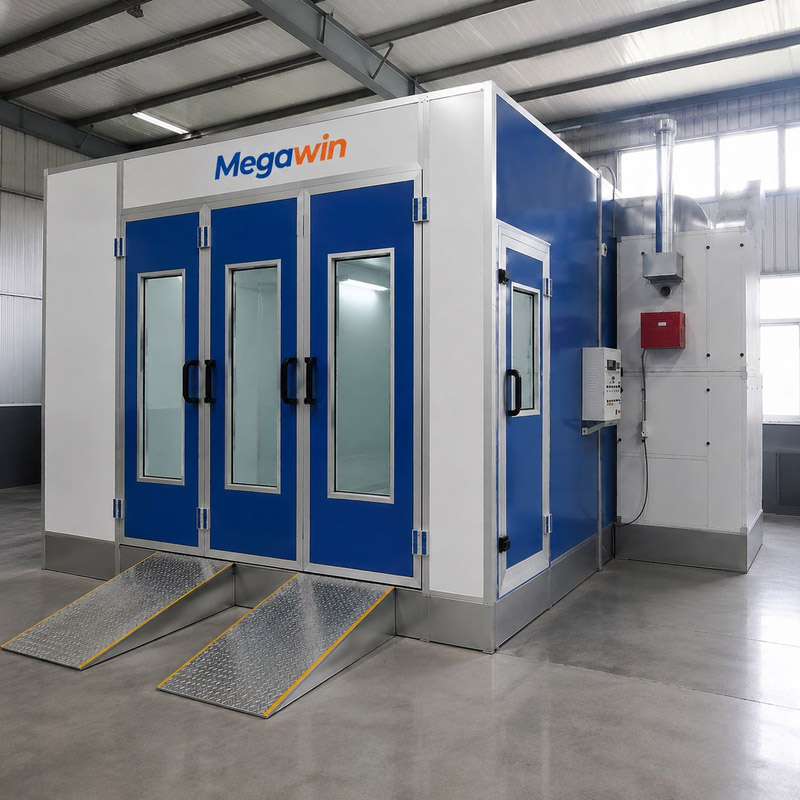
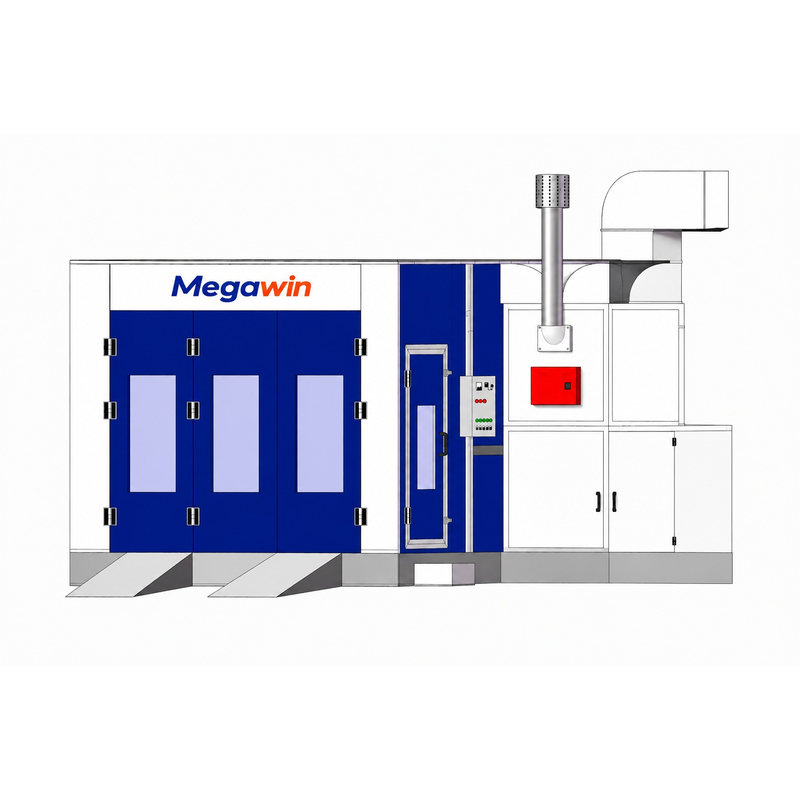
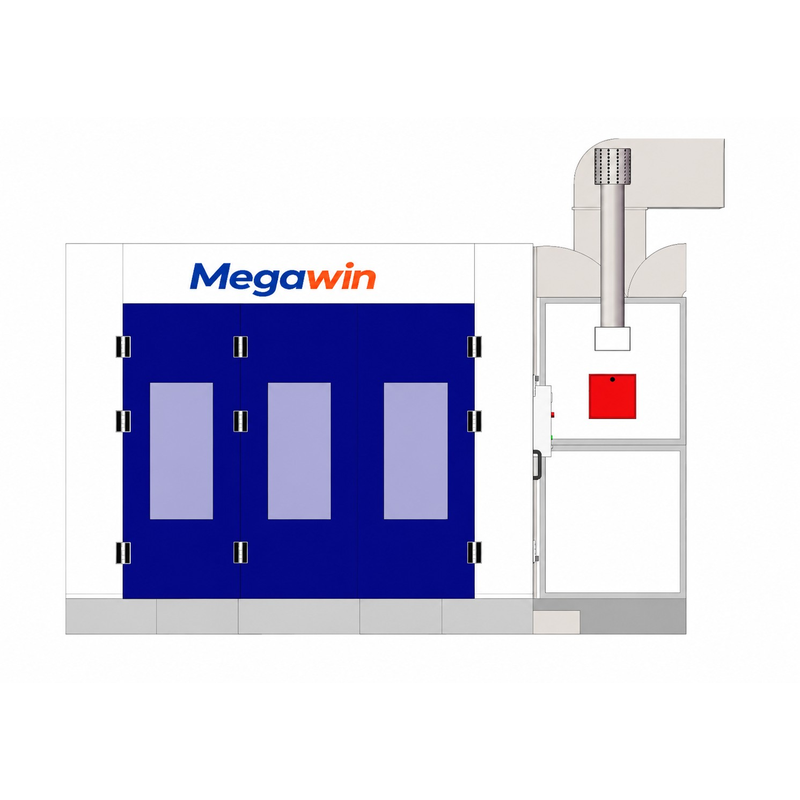
MGW-D70 Diesel-Heat Car Spray Booth
MGW-D70 diesel-heat spray booth is used for standard car spraying and baking,by side exhaust
Conclusion
Regular spray booth filter maintenance is essential for supporting airflow performance, controlling contamination, and managing operating expenses.
By selecting suitable filters, monitoring their condition, following manufacturer recommendations, and maintaining the complete ventilation system, workshops can make more informed maintenance decisions and reduce avoidable downtime.
Looking for a spray booth or filtration solution for your business?
Contact MEGAWIN with your application details and equipment requirements. Our team will help you evaluate a suitable configuration for your project.